
"Rwandan processing"
500 article(s) found
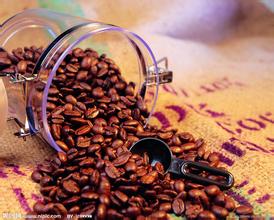
The processing method and Flavor description of Rwandan Coffee introduction to Fine Coffee in producing area
Rwanda's economy is dominated by agriculture. The population engaged in agriculture and animal husbandry accounts for 92% of the country's population. The main cash crops are coffee, tea and cotton. Because it is an agricultural and animal husbandry country, coupled with the loss of many young workers caused by the genocide in 1994, it is a huge blow to a country that is not already rich, and Rwanda is still a backward country. Luwang after the Civil War

Species and introduction of coffee beans in Rwanda
There are about 33000 hectares of coffee plantations in Rwanda, with 500000 people engaged in the coffee industry. With the good natural conditions of high altitude and fertile volcanic soil, the country's fertile soil and suitable climate contribute to plant growth, and coffee trees seem to be driven or forced to grow upward, or because they grow too fast to produce the best coffee beans. Luwang, the beautiful land of a thousand hills

Rwandan Coffee Taste Flavor Description Manor Area Treatment Variety Grinding Scale Introduction
Rwanda coffee taste flavor description estate production area treatment variety grinding scale introduction Rwanda coffee finished process is very exquisite. Every year during the harvest period, the ripe coffee cherries are collected and sent to the processing station for processing. Every year farmers harvest ripe coffee berries and bring them to a processing station where they are first hand-picked to ensure there are no immature or damaged berries

Manual pulping parameters of bourbon coffee in the western province of Rwanda. Introduction to the producing areas of Rwandan coffee beans
Professional coffee knowledge exchange more coffee bean information please follow the coffee workshop (Wechat official account cafe_style) Rwanda coffee western province Monchamus Hamuyi processing plant work together to batch sunburn bourbon species Rwanda West Province Mashesha CWS Bourbon Natural country: Rwanda Rwanda production area: Western province West Province processing plant: Monseha

How do you brew Rwandan Gesak coffee? What is the flavor of Rwandan coffee?
In recent years, Rwandan coffee has attracted public attention with its high-quality water-washed bourbon. In this issue, baristas will share the brewing methods of Rwandan coffee. Rwanda coffee is known as the country of thousands of hills, Rwanda, the whole territory is mountainous and plateau, most areas are tropical plateau climate and savanna climate, mild and cool. There are about 33000 hectares of coffee plantations, 500000 people from

Introduction of Rwandan coffee beans in the form of washed Arabica coffee beans
Rwanda coffee is absolutely high quality in the form of washed Arabica beans. As far as Africa is concerned, its coffee industry is remarkable because the country thrives mainly by producing the best possible coffee beans. Coffee from Rwanda is becoming more and more popular in the international market. The mission of the Rwandan Coffee Association is to manage and supervise the coffee industry in Rwanda from production to sales.
A brief introduction to the description of flavor and aroma characteristics of Rwanda boutique coffee beans with excellent evenness
The coffee fruit needs to be transported to the processing plant as soon as possible after picking, but due to the lack of domestic facilities, it is unable to deal with the fruit at the first time. The fruits are piled up after being picked, which will continue to develop and accelerate mildew and decay due to lack of ventilation. Rotten fruits will affect the quality of coffee and show defective flavor. In recent years, the production and processing of coffee in Rwanda are

Round, full-bodied Rwandan coffee bean flavor, taste, estate characteristics, introduction to Chimaier estate
Rwanda has been growing coffee since colonial times. Although coffee is the main crop, the quality of coffee produced in Rwanda is not outstanding. The status of coffee in the world is low and few people pay attention to it. Most coffee varieties grown in Rwanda are bourbon varieties. Rwanda, known as the country of thousands of hills, has a high altitude mountain environment, fertile volcanic soil and abundant rainfall, which are beneficial to coffee.

The market of Rwandan coffee and the natural conditions of Luwanda coffee
Following Cafe (official Wechat account vdailycom) found that Rwanda Coffee is absolutely high quality in terms of its washed Arabica beans. As far as Africa is concerned, its coffee industry is remarkable because Rwanda thrives mainly by producing the best possible coffee beans. In recent years, the Government of Rwanda has adopted

Rwanda Coffee Origin Rwanda Cooperative Coffee how to buy Rwandan Coffee
In Rwanda, it is incredibly neat. It is even forbidden to bring plastic bags into this densely populated small country. The charming streets are colorful and lively, and the same atmosphere is found in coffee processing facilities. I feel leisurely and comfortable, not confused at all. Rwandan coffee originated in Rwanda, where berries (or cherries) are picked by hand and transported to a processing station.

Tropical climate features Rwandan coffee flavor, characteristics, taste and manor introduction
Since the 1920s, Arabica coffee grown in Rwanda has been famous for its unique fruit sweetness and rich grass aroma. In recent years, the Rwandan government has taken positive measures to vigorously promote coffee production, set up coffee production cooperatives in various places, and give technical guidance and financial support to farmers, so that coffee production has made considerable progress. University of Rwanda

Introduction to the characteristics of the manor producing area of Rwanda boutique coffee beans with rich taste
Rwanda coffee is absolutely high quality in the form of washed Arabica beans. As far as Africa is concerned, its coffee industry is remarkable because the country thrives mainly by producing the best possible coffee beans. Coffee from Rwanda is becoming more and more popular in the international market. The mission of the Rwandan Coffee Association is to manage and supervise the coffee industry in Rwanda from production to sales.

Flavor, characteristics, taste and manor introduction of Rwandan coffee with tropical climate characteristics
Since the 1920s, Arabica coffee grown in Rwanda has been famous for its unique fruit sweetness and rich grass aroma. In recent years, the Rwandan government has taken positive measures to vigorously promote coffee production, set up coffee production cooperatives in various places, and give technical guidance and financial support to farmers, so that coffee production has made considerable progress. University of Rwanda

Washed bourbon Rwandan coffee western province Lutexiluo producing area
Coffee fruits need to be transported to the processing plant as soon as possible after picking, but due to lack of facilities in the country, it is impossible to process the fruits in the first time. The fruits accumulate together after being picked, and lack of ventilation will continue to accelerate mold and rot. The rotten fruits will affect the quality of coffee and appear defective flavor. Rwanda in recent years has had a significant increase

Which brand of Rwandan coffee is good for Rwanda organic bourbon micro-batch soft flavor
Professional coffee knowledge exchange more coffee bean information please follow the coffee workshop (Wechat official account cafe_style) front street-Rwanda organic bourbon micro-batch Rwanda organic bourbon micro-batch key words: White orange blossom origin: The Rubavu and the Rutsiro bean seed: Bourbon Mayaguez processing plant: 2200 smallholder farmers coopac sea

Roundness and fullness of Rwandan fine coffee bean varieties cultivation market price profile
Rwanda is a small African country, and the local people are also relatively poor, but it produces very good straight coffee, which is different from its neighbors Kenya and Ethiopia. Rwanda's coffee is mainly round bourbon, and the taste is not as prominent as Ethiopia and Kenya, but the uniformity is excellent. Rwandan coffee in its washed Arabica bean form

Introduction to the flavor and taste of Rwandan coffee beans the characteristics of Rwandan coffee beans in Chilmel Manor
Rwanda coffee is absolutely high quality in the form of washed Arabica beans. As far as Africa is concerned, its coffee industry is remarkable because the country thrives mainly by producing the best possible coffee beans. Coffee from Rwanda is becoming more and more popular in the international market. The mission of the Rwandan Coffee Association is to manage and supervise the coffee industry in Rwanda from production to sales.

Introduction of Gaseke Coffee processing Plant in Gesak, Rwanda _ recommendation of fine washed coffee beans in Rwanda
Professional coffee knowledge exchange more coffee bean information please follow Coffee Workshop (Wechat official account cafe_style) Rwandan Coffee FW A Micro-batch Rwanda Gaseke FW A Microlot Gaisek washing and processing Plant is located in the Nyamasheke district of western Rwanda. Fidele Ndagijmana, a young trader in Nyamasheke, saw Lou.
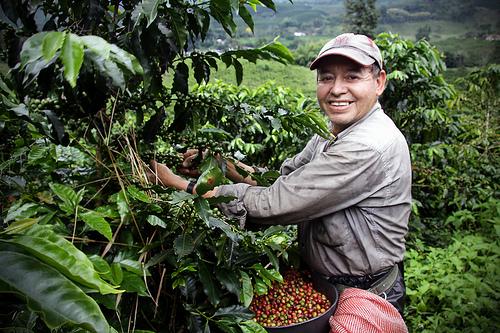
How much is the Rwandan coffee bean per jin? Washing treatment bourbon at Muxiui treatment Plant in the western province of Rwanda
Mushonyi processing plant has an amazing award record. In addition to winning the COE Excellence Cup in 2010, it won the championship, 12th, 16th and 28th in four batches in 2011 alone!

African Coffee with unique character A brief introduction to the History and Culture of the Origin and Development of Rwandan Coffee
Rwanda, located in the southern equator of central Africa, is a landlocked country, bordered by Tanzania to the east, Burundi to the south, the Democratic Republic of the Congo to the west and Uganda to the north. The territory is mountainous, known as the country of a thousand hills. The divide between the Congo River and the Nile River runs through western Luanda from north to south. Rwanda's economy is dominated by agriculture. The population engaged in agriculture and animal husbandry accounts for 92% of the country's population. By